
Recently, I've taken to watching a YouTube channel critiquing mansions. He goes over many of the flaws he finds in these ultra-luxury mansion tours in an entertaining and educational way: interior design mishaps, poorly-planned home layouts, architectural mediocrity, etc. Yet, for all these problems, the mansions are built and sold[1]—usually on the basis of a few outstanding features.
My takeaway is that premium products attract customers with differentiation, not perfection—and there's risk in being different.
This statement sounds kinda obvious when spelled out this way, but customers quibble about minor issues all the time. The common complaint in user reviews sounds something like, "For a $[expensive price tag], you wouldn't expect to find these [small issues]." It'd be a mansion with the powder room placed too far from the entertainment space. A luxury vehicle whose build quality gets questioned because its panel gaps are too wide. Or very slightly misaligned hands on a mechanical watch.
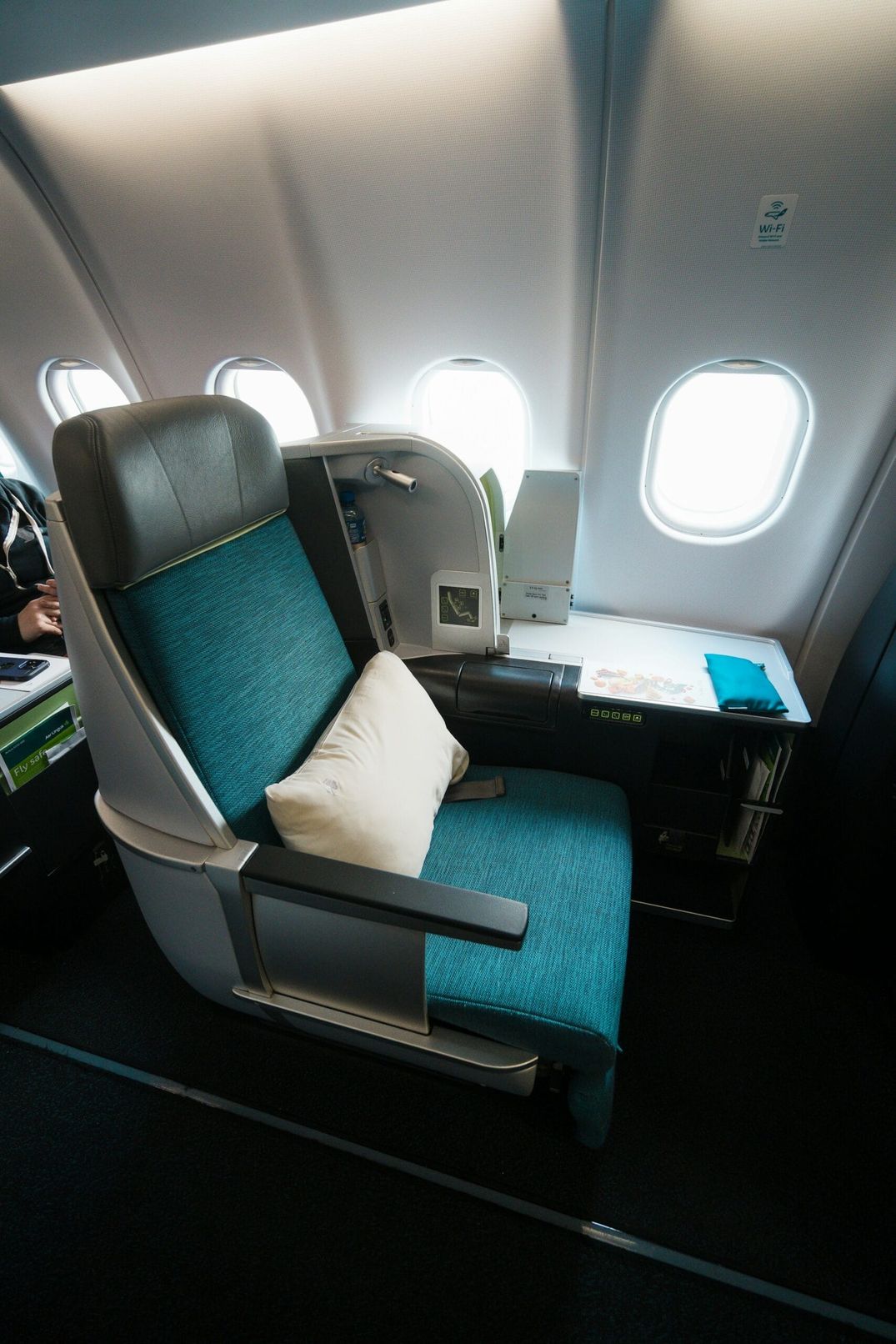
Or take commercial airline seating. Most travelers fly economy, but airlines have added some form of "premium" economy seating as a modest upgrade, designed to improve on economy in every dimension: more space, better infotainment system, meals and snacks, priority boarding, etc. Yet planes also have business and first-class seating, and for some flights these seats regress in quality, like retaining older, non-renovated seats. Naturally, some customers balk at paying 4× the price without improving every single aspect of the experience.
The disconnect is that quality doesn't scale with price across every dimension. Complexity begets fragility. For commercial flights, you're paying primarily for service and space in the front of the plane. For ultra high-end watches like Richard Mille and MB&F, the premium is on their brand and unique mechanical functions, but that complexity comes at a cost of unreliability and frequent servicing. Cars are analogous—supercars draw plenty of attention, but their bespoke construction often keeps them at the shop while mainstream favorites like Toyota chug along with minimal maintenance.
High-end products are driven by their "wow" features, their points of differentiation—which then become the source of their rough edges. Mass-market products are refined with repetition and production at scale, and they usually have so many users that rough edges are reported and sanded down in subsequent iterations. What makes the mainstream dependable is also what makes it sometimes boring.
I was following the Peak Design Roller Pro suitcase on Kickstarter. Their campaign materials tout an impressive set of features, assembling the bag using 154 out of 155 custom components. To their credit, the product has worked well for its customers—except for one small issue where their custom hinge squeaks when closing the main flap. Of course, this prompted a handful of indignant comments, complaining that such an expensive bag shouldn't suffer from any manufacturing defects.
So premium products, despite their exponentially higher prices, are trade-offs. You're buying novelty and distinction, but often at the cost of reliability and stability. High-end products are superior to their mainstream counterparts in the areas they optimize for, and their issues tend to be minor annoyances, not catastrophic failures, that emerge from innovation. Flaws are often the natural byproduct.
Of course, there's selection bias; the channel wouldn't be as popular if he only reviewed perfect homes. ↩︎